


Independent financial advice
that's as individual as you are.
It’s all about you
We are Independent Financial Advisers in Chester. Our purpose is to instil confidence in the life you want by delivering robust financial planning backed by the highest quality of personal service.
Financial Planning
Create an expert plan for your savings and investments that’s personal to you.
Wealth Management
Tailor your investments to your personal goals and manage them all in one place.
Pensions & Retirement
Whether you are planning for the future, or it’s just around the corner, expert planning will help you to achieve your aspirations.
Inheritance Tax
Taking care of your loved ones and their inheritance for when you are no longer here.
Get in touch. Start your financial journey today.
Clients share their stories
Meet Our Team
Our team are experts at making our clients feel at ease. We’re here to listen to your story and understand you and your families goals for life.
Meet our award-winning team, completely passionate about improving clients lives, dedicated to going the extra mile and always in your corner.
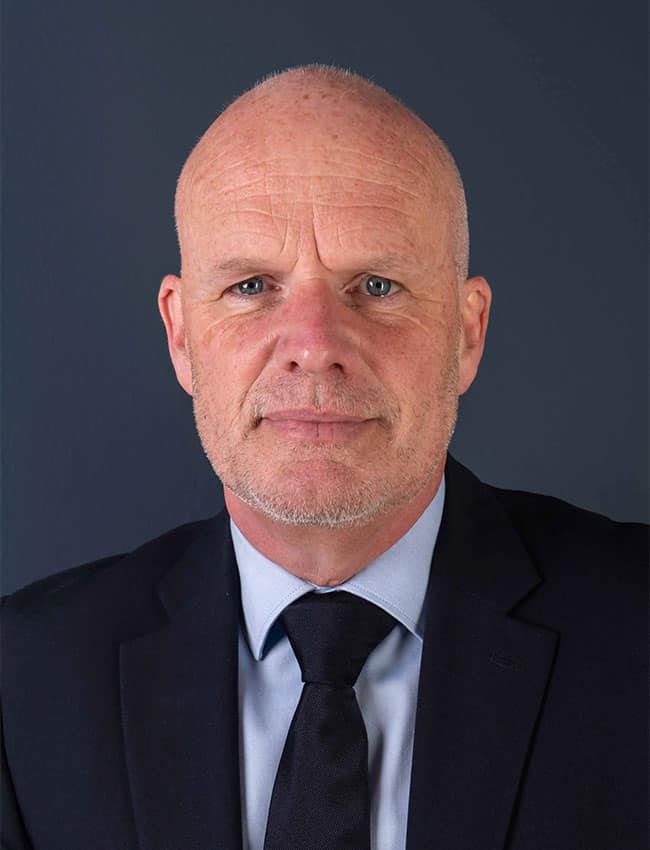
Mark Reidford Managing Director
The proof of the pudding
| 10/10 |
Rated for excellent service and peace of mind. |
|---|---|
| 10/10 |
Rated for understanding our clients’ needs. |
| 9.5/10 |
Clients would recommend us to their friends and family. |
“Genuinely holistic advice provided to me and my wife taking into account our entire families financial circumstances. Interested in what we wanted to achieve and very proactive.”
Richard Barge, Shropshire

 77miggles2025-09-11Outstanding support from Daniel. Highly recommended. No more words required .
 ALLAN MACKENZIE2025-08-12Excellent level of service provided by Mark and great financial advisory business - I would highly recommend Innes Reid.
 Sarah Boswell2025-07-13I have been a client of Innes Reid for a few years now and have been very happy with the service provided. Mark is always very helpful and informative. I would recommend this company.
 Andrew Elphinston2025-07-10My wife and I have been clients of Innes Reid for 4 years now and continue to be very satisfied with the servce we have received. We particularly appreciate the personal service we have received, genuine listening to our wishes and with no pressure applied to follow advice given. I unreservedly recommend this company to anyone looking for financial advice or planning.
 Jeff Gunning2025-05-28Always found Craig to be most helpful when dealing with issues that have occurred from time to time over the years we have been clients of Innes Reid Investments.
 Henry Hui2025-05-15We (both for myself and my wife) have been supported by Craig for many year as our financial advisor. He is very professional and very friendly too, helped us in our planning, investment and pension management, etc. He comes to us annually to update and review our portfolios. We can always ring him for advice throughout the year. Any action required as outcomes of our discussions have always been taken promptly and effectively. We are very happy with his service as part of Innes Reid!
 Diane Lamb2025-02-06We have been a client of Innes Reid for 11 years and have always found them to be extremely helpful and knowledgeable. We would have no hesitation in recommending them to other potential clients. Diane and John Lamb
 Andy Cropper2025-01-15Professional and friendly service
 Gwenan Williams2024-10-18Daniel Roberts has looked after the private finances for our family business for some years now, and has always given an excellent service. He takes time to keep us in the picture and answers any questions. We are very satisfied with the service given by Innes Reid.
 Karen Howes2024-10-17I contacted Innes Reid more than 5 years ago and after initial free consultation I started working with Daniel Roberts on my retirement plan. It was great to consolidate all my pensions and get written projections if what I could expect to receive. It was definitely a joint effort with Daniel asking all the right questions. Sometimes in spite of what is written down you need someone to say yes you will have enough money don't panic. I know that as well as an annual review I can contact Daniel for any one off advice by phone or e mail. I like the information which they regularly send out by e mail. I have had good service from Innes and Reid and specifically Daniel. Thanks to all.


between regulated firms and their clients. Further details of the FOS can be found on its website:
www.financial-ombudsman.org.uk